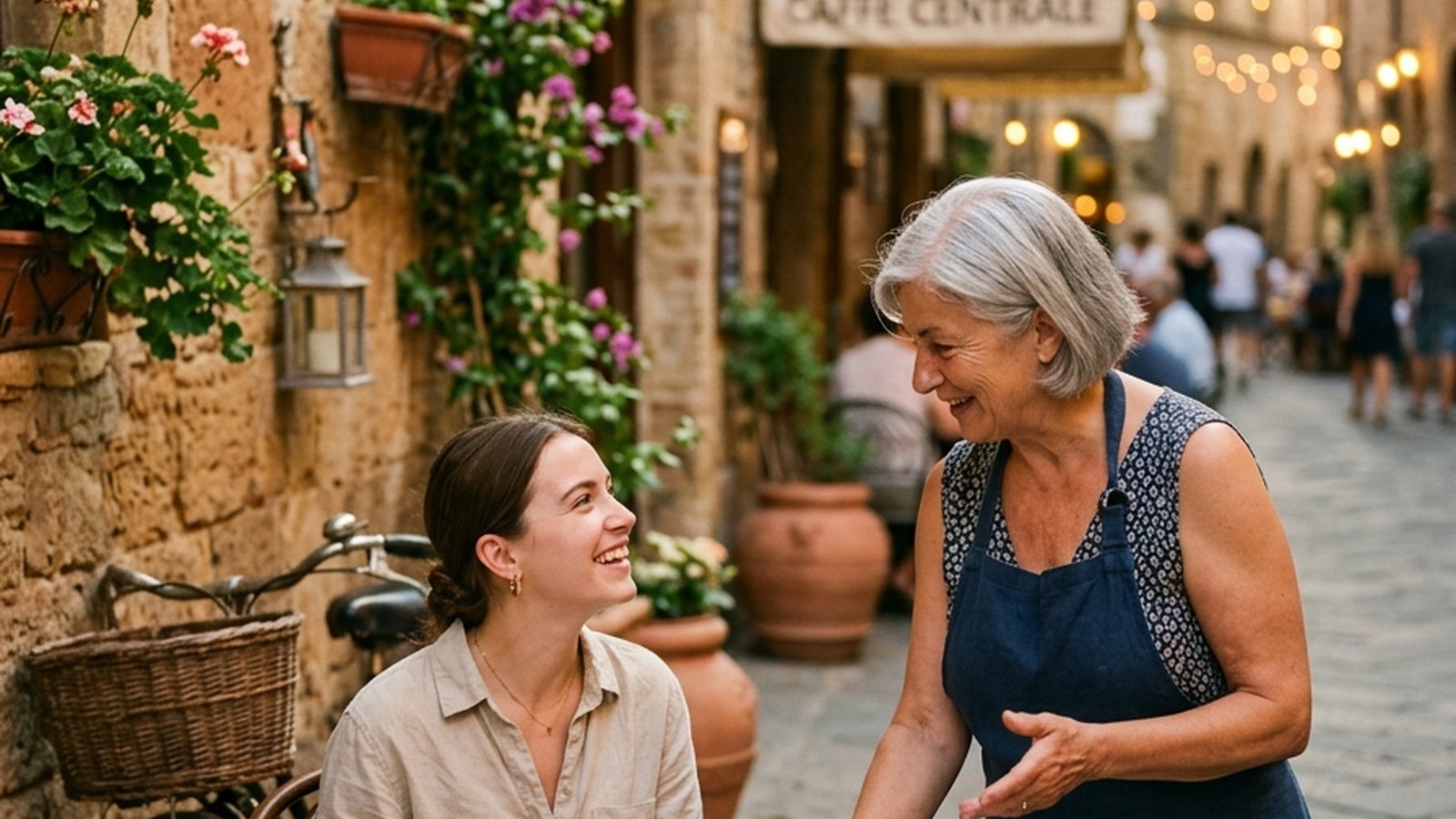
The most under-rated trip in travel isn't the new destination — it's the return. Everything in the culture of modern travel pushes you toward the next city, the next country, the next stamp. Nobody makes a listicle called 10 cities to go back to. Instagram doesn't reward it. Search engines don't optimise for it. And yet, the second visit to a city is quietly the richest kind of travel there is. This is a short defence of it.
The first visit is doing the reading
Anyone who's been paying attention to their own travel knows this, even if they haven't said it out loud: the first trip to a new place is mostly logistics. You're figuring out the metro. You're getting the lay of the land. You're absorbing the shape, the light, the accent, the food, the tempo. You go home with a strong first impression and a hundred small notes of "next time I'd like to…". That list is not a failure. It's the entire point of a first visit. The first visit is doing the reading.
The second visit is the conversation.
Everything is quieter the second time
The Colosseum is loud on Visit 1 because it's the Colosseum. On Visit 2 it's an interesting piece of architecture you already know you don't need to spend more than 40 minutes on. The Louvre is exhausting on Visit 1 because it's the Louvre. On Visit 2 you can walk in for one gallery, see three paintings properly, and leave. Every major attraction, every food you tried, every neighbourhood you wandered through — quieter, calmer, less charged. Not because they've changed. Because you have.
Which frees up the trip's bandwidth for what the first visit couldn't accommodate: the small things.
The small things you skipped last time
Every first trip to a real city produces a mental list of things you noticed but couldn't get to. The bookshop that was closed on Sunday. The park on the outskirts. The tiny restaurant three streets from the hotel that always had a queue. The market that only runs on Wednesdays. The old cinema. The morning swim spot the locals used. On Visit 1 there were more important things — the "obligatory" list. On Visit 2 there aren't. The small things become the whole trip. And the small things, it turns out, are what a city actually is.
You can find your street again
If you took our advice in the art of getting lost on purpose and let Visit 1 wander into an unexpected neighbourhood or courtyard or café — Visit 2 is the chance to find it again. And find more of it. A neighbourhood you spent two hours in on Visit 1 becomes a place you spend two days in on Visit 2. Nowhere teaches you a city faster than one small area, walked slowly, twice. By the end of Visit 2, you'll have opinions about that street. That's already more than most tourists ever have about anywhere they've been.
The staff remembers you (a bit)
Not romantically. Not in a "Norm-walks-into-Cheers" way. But real. If you eat at the same bar twice on Visit 1 and go back to it on Visit 2 — a year later, two years later — you will be recognised. Not by name. But by presence. "Oh, you again." That single moment of being remembered in a place you don't live is one of the small, warm privileges of being a returning traveller. It doesn't happen on first visits. It happens naturally on second ones.
You already know the food
The first-trip food anxiety is real. What's the local speciality. What am I supposed to try. What's a tourist trap. Where do locals actually eat. On Visit 2, that entire cognitive layer is gone. You know that the tiny place with plastic chairs down the alley is where you want to have Wednesday lunch. You know the wine you liked. You know the pastry you want to bring home. The freedom of not having to research a single meal — because you're already home — is one of the deepest quiet pleasures in travel.
Your solo skills level up
If you took our solo-dining piece to heart, the first visit produced a couple of small victories: eating alone at that bar, walking a Sunday afternoon by yourself, striking up a conversation in the market. On Visit 2 those aren't victories — they're default modes. You'll do them without noticing, which means you'll have the emotional bandwidth for the next tier of small challenges: a longer conversation, an invitation home, an unusual restaurant, a road trip out of the city. Travel skill compounds. Second visits are where you feel it.
The city has changed slightly, and so have you
Two things are actually different on Visit 2. The city has shifted a little — a new café where the old one was, a new coat of paint on an ochre wall, a scaffolding that wasn't there before. And you have shifted a lot. You are not the same person who saw it the first time. The city hasn't moved much; you've moved enormously. Which means the second visit is genuinely a new city, just not in the way tourism markets a new city. It's a new city because of the person walking through it.
This is the deep, quiet reason to return. Every city is a mirror for the specific version of yourself who's visiting. Two visits, two selves, two cities. Same postcode.
The financial defence (because we might as well be honest)
Returning is cheaper than exploring. You already know which neighbourhoods are worth staying in. You already know the transit system. You already have a mental map of prices. You'll waste less time and less money. If the first visit cost X, the second visit — same length, same city — will feel richer while costing 15-20% less. That's not a small margin over a lifetime of trips. It's the difference between two trips a year and three.
How to make Visit 2 great
Two rules, and only two. Stay in a different neighbourhood. Same hotel, same street, same view is the surest way to make Visit 2 feel like a diminished copy of Visit 1. Move across the river. Move up the hill. Move to the neighbourhood you only wandered through last time. The city looks new the moment your morning walk changes.
Bring back the notes. The mental list you made on Visit 1 — the closed bookshop, the Wednesday market, the tiny restaurant, the park — pull them out before you fly. Half your itinerary is written already. This is exactly what our how to remember a trip properly piece was really about: the person who takes the time to store Visit 1's material properly is the person who has an effortless, warm, oriented Visit 2 waiting for them.
Return in a different season
The single most under-used trick. Visit Rome in July on Visit 1? Return in February. Barcelona in October on Visit 1? Come back in May. The weather is a season of the city too. Warm-country cities in the off-season are almost different cities entirely. Cool-country cities in bloom are different cities entirely. Two seasons = two cities, without moving the pin on the map at all.
The trip nobody talks about
The Instagram version of travel is always about the new. The real version, for most travellers who've been at it a decade or more, is about a small handful of places you return to — three, four, five cities in the world where you have a favourite café, an opinion about the best neighbourhood, a friend of a friend, a walking route, a familiar bakery. These are not backup destinations. They are the deepest form of travel most people ever practise. And you get there by going back.
The one paragraph
The second visit is quieter, cheaper, warmer, and richer than the first. You know the shape of the city. You know the food. You know how to get around. Which frees you to notice everything the first visit was too busy to see. Stay in a new neighbourhood. Come in a new season. Bring last time's notes. Skip the obvious sites. Sit in one small area for longer than you should. You'll come home with a version of the trip you couldn't have designed from your desk — and a city that's slowly starting to feel a little bit like a place you're from, too.